Review
General Supervisor, Director, and Mechanical Designer: Hideaki Anno; Character Designer: Yoshiyuki Sadamoto; Mechanical Designer: Ikuto Yamashita; Director of Photography: Yoichi Kuroda; Art Director: Hiroshi Kato; Color Settings: Harumi Takaboshi; Sound Director: Hideyuki Tanaka; Assistant Directors: Masayuki and Kazuya Tsurumaki; Music: Shiro Sagisu; Voice Cast: Megumi Ogata, Kotono Mitsuishi, Yuriko Yamaguchi, Megumi Hayashibara, Yuko Miyamura, Fumihiko Tachiki, Motomu Kiyokawa, Tetsuya Iwanaga, Tomokazu Seki, Junko Iwao, Koichi Yamadera, Takehito Koyasu, Hiro Yuki, Miki Nagasawa, and Mugito
-- Contents (from the "CD Journal" database)
From Amazon
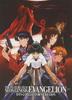
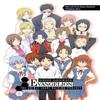
The sci-fi anime "Neon Genesis Evangelion" (Theatrical Release) became a huge hit after its TV broadcast ended with the unprecedented project of remaking the highly controversial final episode into a film. The film is divided into two parts: "DEATH (TRUE) 2," a revised compilation of the TV version, and "AIR: The End of Eternity," which depicts the true ending. The former is not simply a digest, but rather shuffles the drama in a way that seems to lure the viewer into a captivating nightmare, while the latter depicts the fate of the protagonists as the Human Instrumentality Project is put into motion, and it unfolds with criticism of anime otaku, who are likely to be the main fan base of this work, along with the pain of the creators themselves. Therefore, the ending does not offer any easy hope, and naturally it has sparked even more heated debate, both for and against. In any case, it sends out a poignant antithesis to the Japanese people who live with the fragile hearts of today, and there is no doubt that it was a controversial work worthy of sparking a social phenomenon. (Masutō Tatsuya)
![NEON GENESIS EVANGELION - DEATH (TRUE) 2: Air / My Heart Is With You [DVD]](https://img.joomcdn.net/c6b5580ef69fac1de503f0d713bfd773925841b3_709_1024.jpeg)
![NEON GENESIS EVANGELION - DEATH (TRUE) 2: Air / My Heart Is With You [DVD]](https://img.joomcdn.net/06db3e2edfde853fc7506c95d5c3746d9a50b9de_original.jpeg)