-Introducere
Cuvinte care controlează comportamentul: Onorifice
Comparativ cu trecutul, mulți copii nu folosesc formele de politețe.. Uneori, părinții îi descurajează să facă acest lucru, invocând o distanță percepută între ei.. În consecință, copiii de astăzi vorbesc cu părinții și bătrânii într-un mod prietenos, ca și cum ar fi prieteni.. Părinții și copiii au dezvoltat o relație strânsă, aproape prietenoasă.. Cu toate acestea, când această prietenie merge prea departe, copiii devin răsfățați și părinții devin autoritari.
În special, atunci când apar dezacorduri, părinții tind să fie direcți mai degrabă decât precauți, ducând ușor la emoții încinse și la cel mai rău rezultat posibil.: o ruptură în comunicare. De ce apare acest rezultat când pur și simplu evită să folosească titluri onorifice? Motivul constă în cercetări ale oamenilor de știință americani specializați în creier, care afirmă că „98% dintre cele 23 de miliarde de celule cerebrale din creier sunt influențate de vorbire”. Deoarece comportamentul este guvernat de vorbire, poate că aceștia își pierd inconștient simțul precauției și devin mai direcți și impulsivi pe măsură ce folosesc un limbaj informal cu adulții, așa cum ar face cu prietenii sau subordonații.
Deci ce se întâmplă când folosim un limbaj politicos pentru a arăta respect față de bătrânii noștri? Unii oameni găsesc limbajul politicos stângaci și distant, dar în realitate, este blând.. Respectul ne face prudenți, iar acea prudență ne face să ne gândim de două ori înainte de a vorbi.. Prin urmare, chiar și în situații care ar putea degenera într-o ceartă majoră, folosirea unui limbaj blând, rațional și politicos poate duce adesea la rezultate mai bune.
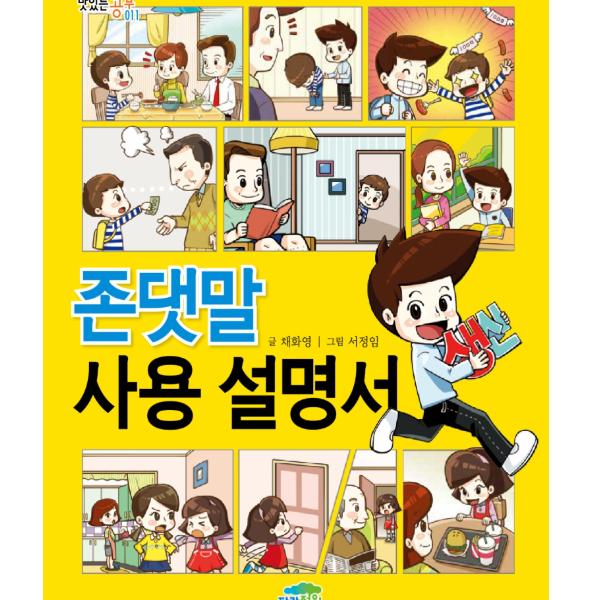
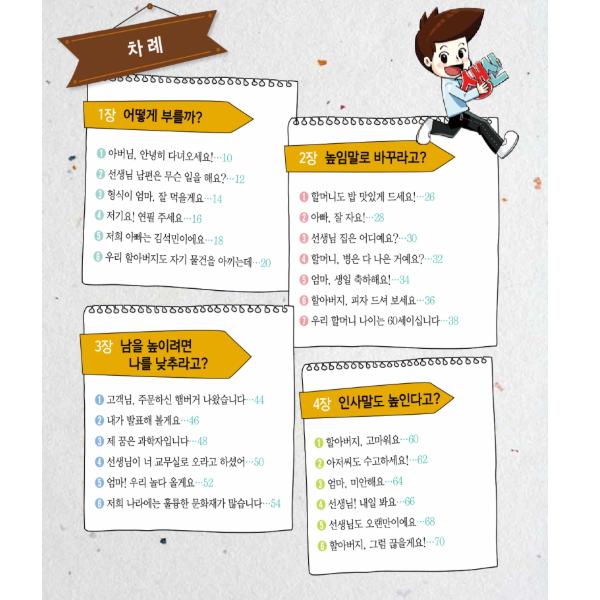
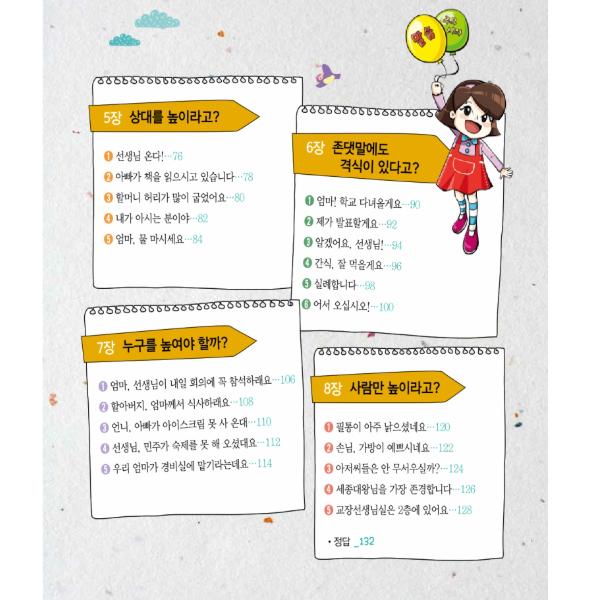
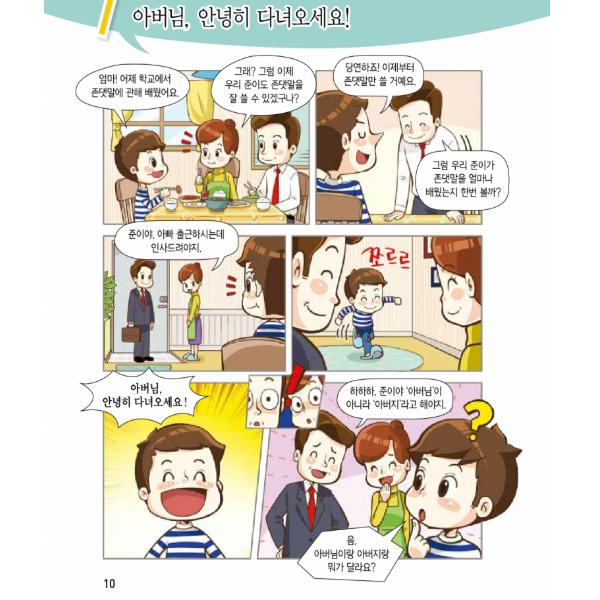
A vorbi politicos poate fi o sarcină dificilă atât pentru părinți, cât și pentru copii.. A unsprezecea poveste din seria Delicious Study selectează greșeli comune de limbaj politicos pe care le fac copiii în viața de zi cu zi. Îi învață pe copii cum să îl folosească corect prin greșelile prietenilor lor.. Prin intermediul unei varietăți de jocuri și provocări, copiii se pot familiariza cu limbajul politicos într-un mod distractiv și captivant.


 Rambursare în caz de nelivrare