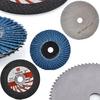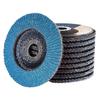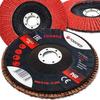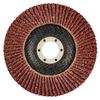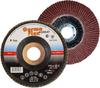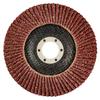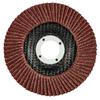

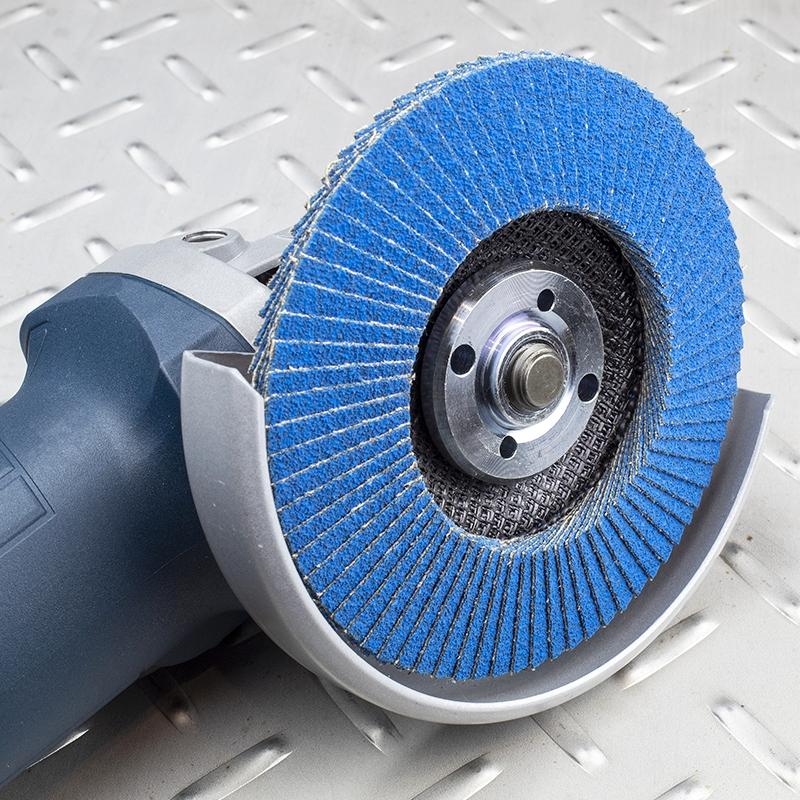


Flap Wheel for Grinding Metal on an Angle Grinder 125 40


 Rambursare în caz de nelivrareGaranția de calitateLogistică sigurăProtecția confidențialității
Descriere
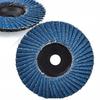
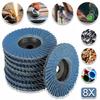
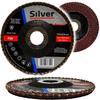
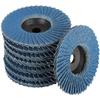
FLAP WHEEL FOR METAL GRINDING FOR ANGLE GRINDER 125 mm 40
• Application: grinding and finishing of metal surfaces, in particular stainless steel (INOX SAFE - no Fe, S, Cl)
• The abrasive material is zirconia with high content in the disc - unlike cheaper counterparts with a low concentration of this component, our disc maintains its aggressive grinding action for a longer period of time, so that one piece can replace several cheaper equivalents, reducing the frequency of replacements, downtime and labor costs.
• Maximum speed: 13,300 RPM - a value significantly exceeding the standard 12,200 RPM, which confirms the higher quality of workmanship and increased resistance of the disc to loads.
• Grit: 40 - aggressive material removal or mixed grits
• Standards / certificates: EN13743, complete MPA certificate
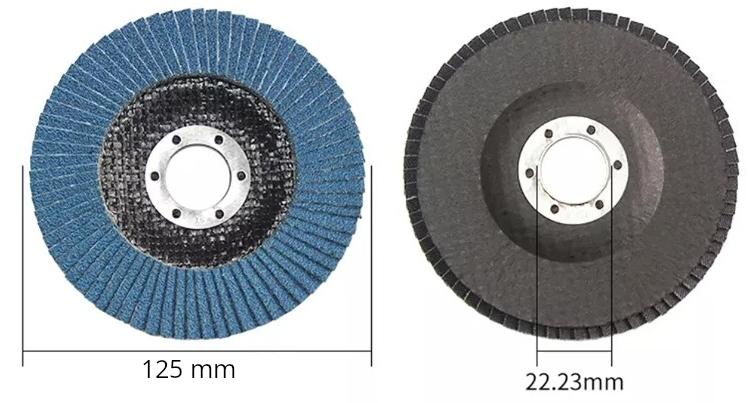
• Mounting hole / arbor (spindle): 22.2 mm
• Type:T29 (angle, for working at an angle)
• Zirconium flap disc
• Carrier:fiberglass
• Diameter:125 mm
• Quantity:5 pieces
• It is not recommended to usethe highest speed of the grinder andstrong pressure withgrit 40
• Or according to the buyer's choice - please leave information about which grits to send in the order summary (40, 60, 80, 120).
• Ferrous metals (stainless steel, structural steel): removal of welds, burrs, flash, surface leveling - gives quick cutting results.
• Cast iron: cleaning of surfaces, removal of material layers, leveling of irregularities.
• Plastics / composites: removes flash, prepares for further processing - but may cause melting or unevenness if too aggressive work.
• Wood (limited use): can be used for preliminary sanding, but the finish will be poorer - high risk of unevenness and burns.
WHY CHOOSE THIS DISC?
• ✅ Fast material removal - the design of the disc allows for efficient cutting of welds and flash, so you'll get more work done in less time. time.
• ✅ Safe INOX finish - the INOX SAFE marking guarantees the absence of iron, sulfur, and chlorine additives, so you reduce the risk of discoloration or corrosion.
• ✅ Greater durability and stable performance - high-quality zirconium grain maintains aggressive grinding longer than standard corundum.
• ✅ Less vibration, better control - fiberglass dampens vibrations, which translates into more comfortable, more precise work.
• ✅ Less surface heating - a special cooling structure reduces temperature, which helps maintain the appearance and properties of the processed metal.
DISC TYPE T29
• For working at an angle at angles: 5–15°
• Diameter: 125 mm
• ✅ Working angle: best results at 5–15° (type T29).
• ✅ Speed: do not exceed 13,300 RPM; When working on soft or non-ferrous materials, consider lower speeds.
• ✅ Pressure: moderate and even - too much pressure will cause overheating and faster wear.
• ✅ Test: always test the result on a scrap piece before machining the target part.
• ✅ Cleaning: for aluminum and plastics, regularly remove accumulated material from the flaps.
• ✅ Protection: wear goggles, gloves, and a respirator when working with dust; use dust extraction where possible.
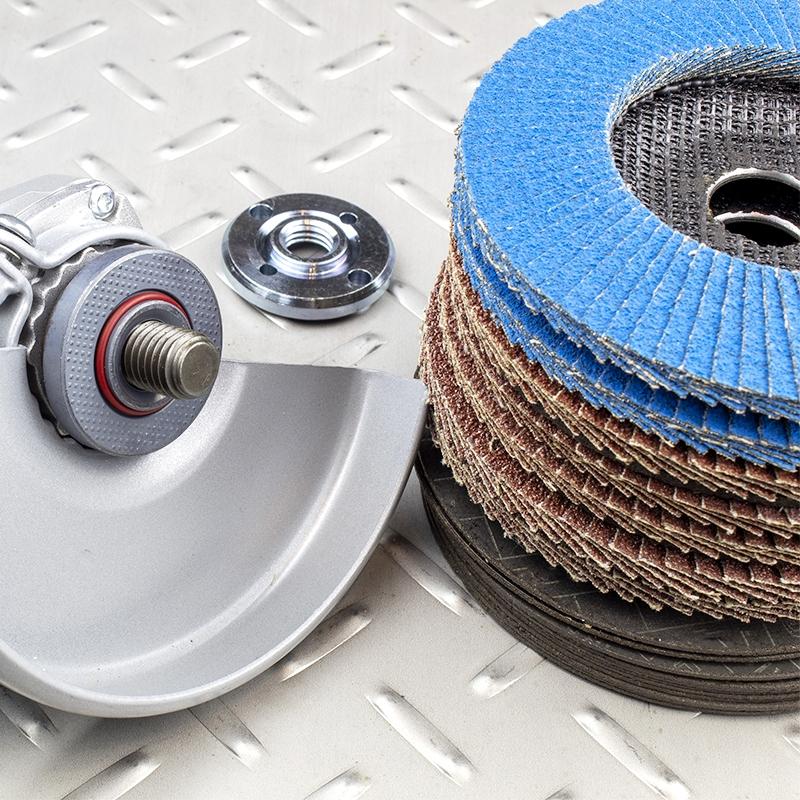
• ✅ Mounting: mount on a 22.2 mm arbor/spindle; make sure your grinder supports this size and does not exceed the permissible speed.
MATERIALS YOU CAN WORK WITH
• Stainless steel (INOX) - optimal use.
• Carbon steel and tool steels - fast removal and alignment.
• Cast iron - effective cutting of sprues.
Possible (use with caution and test):
• Aluminumand othernon-ferrous metals—works, but may clog; run at lower RPM and clean the disc periodically.
• Composites and fiberglass—possible, but the disc will wear out faster; use dust extraction and breathing protection.
• Plastics—workable, but the component may melt if heated too much; Always test.
• Wood - there is a risk of burns and an uneven surface, use sensibly and test.
WHY IS A ZIRCONIUM FLAP DISC SO GOOD?
• ✅ Greater durability and wear resistance: Thanks to the hardness and grain structure of zirconia, the disc wears out slower and remains aggressive for longer than Discs with softer abrasive - this means fewer disc changes and lower operating costs.
• ✅ Better cooling and less overheating of the processed material: Zirconia copes better with high operating temperatures - it heats the processed element less, which is very important in the case of stainless steel (INOX) and metals susceptible to discoloration.
• ✅ Aggressiveness and cutting efficiency: A disc with zirconia has a good ability to remove material - welds, burrs, oxide layers, faster than standard abrasive discs - this significantly shortens the working time.
• ✅ Versatile applications: Zirconia is suitable for ferrous metals, stainless steel, and works well on materials harder than ordinary steels. Under appropriate conditions, it can also be used on non-ferrous metals, composites, and plastics (with caution).
• ✅ Better control of finish quality: Less overheating = less risk of discoloration, less deformation. The disc maintains its working parameters better - there is less manual finishing touches.
GO FOR QUALITY
• If you use the wrong disc for INOX or choose a product contaminated with iron, you can cause permanent discoloration, corrosion and the need for expensive corrections.
• It is better not to experiment on final elements - invest in a tool designed for stainless steel.
• Add this disc to basket and get a tool that will speed up your work, reduce the number of failed attempts and reduce operating costs!
HOW TO CHOOSE GRADATIONS?
• You will get the best results by using as many grits as possible in order from small to large, e.g. 40->60->80->120
• Below you will readtips on how to properly use individual grits depending on the material and stage of work:
• Ferrous metals (stainless steel, structural steel): removing welds, burrs, flash, leveling surfaces - gives quick results cutting.
• Cast iron: cleaning the surface, removing layers of material, leveling out irregularities.
• Plastics / composites: removes flash, prepares for further processing - but may cause melting or unevenness if worked too aggressively.
• Wood (limited use): can be used for pre-grinding, but the finish will be weaker - high risk of unevenness and burns.
• Ferrous metals (stainless steel, structural steel): good balance between material removal and finish quality - allows for correction of unevenness, deburring or lightly smoothing after rough sanding.
• Cast Iron: removes irregularities and flash, but less aggressively than grit 40 – allows for better pressure control to avoid excessive disc wear.
• Non-ferrous Metals (Aluminum, Copper, Brass, etc.): can be used for finer machining than grit 40; less risk of clogging than grit 40, but material accumulation may still occur – cleaning the flaps is recommended.
• Plastics / Composites: grit 60 can be useful for deburring and pre-grinding, giving a smoother transition than grit 40. Be careful not to overheat the material (risk of melting).
• Wood: used for shaping and pre-grinding; Less aggressive than 40, so less risk of tearing out wood fibers, but still quite visible marks - not suitable for final smoothing.
• Ferrous metals (stainless steel, structural steel): Softer mark than 60 - evens the surface, blends previously roughened areas, gives a more aesthetic finish.
• Cast iron: smooths out irregularities left after harder sanding; reduces scratch depth and improves the final result.
• Non-ferrous metals (aluminum, copper, etc.): Less susceptible to clogging than 60 grit; gives a more even result - still requires controlled pressure and cleaning of the flaps.
• Plastics / composites: Good for smoothing after removing flash; The risk of melting is lower, but work carefully and test before full machining.
• Wood: Less visible marks than with 60; a compromise between machinability and surface quality - an even finer grit will often be needed for final smoothing.
• Cast iron: Smoothing the surface after previous stages - removes residual irregularities.
• Non-ferrous metals: Better aesthetic results, less material deformation - ideal for more delicate surfaces.
• Plastics / composites: Used for finishing, gives a more even surface without aggressive scratches; Be careful not to let the disc "slip" on the surface.
• This is aPolish company specializing in the supply of high-quality abrasive materials for professional and hobby processing of wood, metals and other popular raw materials.
• The offer includes products that meet the expectations of both industrial and individual users, guaranteeing precise surface finishing and durability of the effects.
Flap Grinding Wheel