Site-ul nu acceptă browserul dvs. Vă rugăm să actualizați browserul sau să descărcați altul
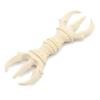
![special Buddhist statue vajra 15cm Cypress wood carving Buddhist altar implement 27941 Kurita's [Ritual implement] Three-pronged](https://img.joomcdn.net/d8439561ce65b80f73bb664a9cc0e008caa7a415_original.jpeg)
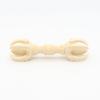
![special Buddhist statue vajra 15cm Cypress wood carving Buddhist altar implement 27941 Kurita's [Ritual implement] Three-pronged](https://img.joomcdn.net/02b4ec69a2eafccb1cc8e3c39c29dc6ab5be5a03_original.jpeg)
![special Buddhist statue vajra 15cm Cypress wood carving Buddhist altar implement 27941 Kurita's [Ritual implement] Three-pronged](https://img.joomcdn.net/e1a9ecac2958620663a85a7b05e5f221c198b9b9_original.jpeg)
![special Buddhist statue vajra 15cm Cypress wood carving Buddhist altar implement 27941 Kurita's [Ritual implement] Three-pronged](https://img.joomcdn.net/4814636f6dd81b5f5f0be3ed7a12c6206b8e3392_original.jpeg)
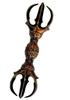
special Buddhist statue vajra 15cm Cypress wood carving Buddhist altar implement 27941 Kurita's [Ritual implement] Three-pronged
Prețul curent
Preț 503,20 RONTVA și taxe incluse
Încărcare...
Încărcare...
Încărcare...
Încărcare...
Încărcare...
Încărcare...
Încărcare...
Încărcare...
Încărcare...
Încărcare...
Încărcare...
Încărcare...
Încărcare...
Încărcare...
Încărcare...

Livrare în România
0 zile lucrătoare · 35 RON per comandă

Plată securizată și protecția datelor


 Rambursare în caz de nelivrareGaranția de calitateLogistică sigurăProtecția confidențialității
Siguranța și conformitatea produsului
Descriere


Produse similare