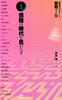
Kenichi Makimura, the oldest active music producer, has written a chronological account of the history of Japanese pop music from 1969 to 1989, one year at a time.
For each year, he invites a guest from the music industry who is renowned for discussing that year's pop music scene.
This chronicle, brimming with the feeling of being at a live performance, is written solely based on what they saw, heard, and experienced firsthand!
This is a comprehensive chronicle of Japan's oldest and most cutting-edge freelance music producer. Reading this book, you'll clearly understand that the pre-industrial music scene cannot be discussed without its deep connection to politics and society. How did Japanese popular music transform into "J-POP?" This book is filled with valuable testimonies, never before published in Japan, and explores the changing attitudes of musicians in the wake of the Great East Japan Earthquake. By reading this book in comparison with the past, you'll likely find hints for a new music business. I recommend this book to all musicians, listeners, and all the "delinquents" out there who want to start something new. It's a guidebook for changing the world." --Daisuke Tsuda (Journalist/Media Activist)
"Most of what's written here is from the pre-CD era, the era of records, and features many artists whose names younger generations will likely never have heard of.
But I've tried to make it accessible to music lovers of all ages, and in a sense, it serves as a sort of 'introduction to Japanese pop music.'
(Omitted) Thanks to the wonderful witnesses, this book was able to describe many "rivers of music."
At the same time, you will also be able to see how these individual rivers merge and flow together into a larger river.
How Japanese pop music has been supported and woven by the passion and spirit of so many people.
I hope that this book will give you a glimpse of that. ...Kenichi Makimura (excerpt from the preface)
Guest witnesses supporting the author's writing include Haruo Mizuhashi, Yuichi Shima, Ichiro Miyagawa, Hiroshi Asada, Yoshiro Nagato, Akio Omori, Hitoshi Komuro, Seiji Kuniyoshi, Shigehiro Kokubun, Masami Hikasa, Jun Nagata, Teruo Sato, Masayoshi Okawa, Ginji Ito, Norimasa Uchida, Shigeki Miyata, Masahiro Fujii, Kazuo Munakata, Yasuko Takahashi, Hiroshi Takano, Ichiro Oka, and Mitsuo Nobuto.
...A total of 22 people (listed in order of appearance in this book, titles omitted).
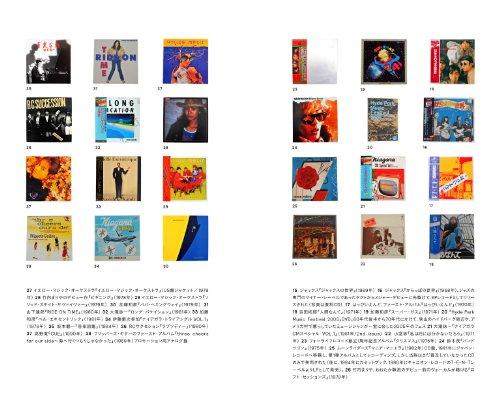
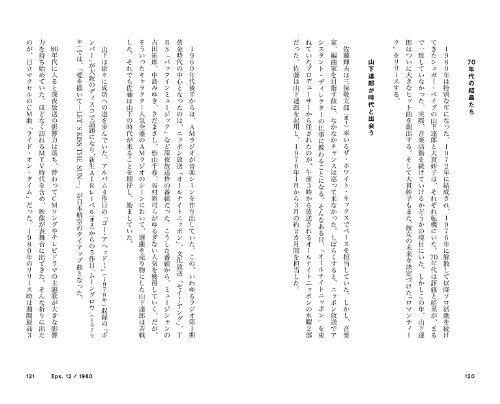
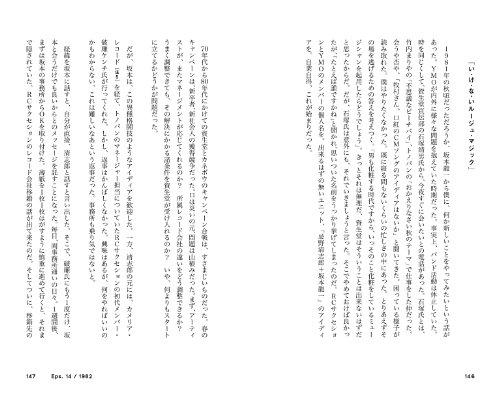
This book is packed with invaluable untold stories, from the truth behind what the author experienced and witnessed on the first sub-stage of the 1970 Nakatsugawa Folk Jamboree, the secret behind the sound of Happy End's first album, and why there's a "・" in the title of Kiyoshiro Imawano + Ryuichi Sakamoto's "Ikenai Rouge Magic"—stories only those who were there would know—to the author's fateful encounter with Lollipop Sonic, who would later become Flipper's Guitar!
[Special Feature] A long interview with music critic Hisato Ainokura conducted by the author himself.





![Kaiyodo Genesis [Ediție Aniversară 60 de Ani]](https://img.joomcdn.net/2bb45cfeecda7940a4398bb150b66c4889d5d4b4_69_100.jpeg)


![Pentru că cei doi oameni în pace [Ediție japoneză]](https://img.joomcdn.net/ed947548dbabd13c55e4a121e2ef6caadf7e23df_70_100.jpeg)